Galter Library curates exhibits that examine both historical and contemporary topics in the health sciences, with a focus on the development, ethos and practice of Western medicine. Featuring rare books, artifacts and archival materials from the 15th century to the present, our exhibits raise enduring questions that remain relevant across the ages.
Rooted in the rich history of Northwestern University Feinberg School of Medicine and the city of Chicago, these exhibits aim to uncover diverse narratives, some long overlooked, and invite reflection on the forces that continue to influence medical thought and practice.
Discover the rich history of medicine and reflect on the pivotal challenges and achievements that have shaped today’s medical landscape.
Locate current exhibits by consulting the library map. Non-Northwestern patrons must contact Special Collections to view on-site exhibits.

Current Exhibits
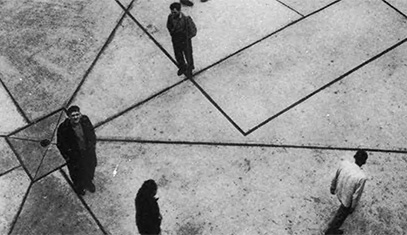
Three Steps Forward, Two Steps Back
The Continued Struggle to Treat Mental Illness in America
This exhibit explores both societal and medical treatments of mental illness in the U.S. from the 18th century to today.
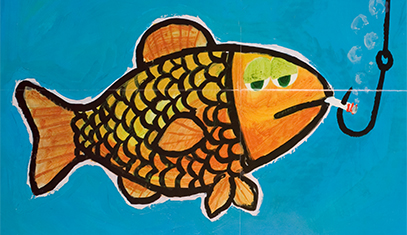
Visualizing a Century of Public Health
A Graphic Art Retrospective
Striking, high-quality reproductions of historic public health posters, curated from the National Library of Medicine Digital Collections, the Library of Congress and more.
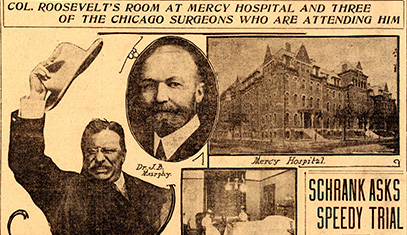
The Stormy Petrel & the Bull Moose
J.B. Murphy & the Attempted Assassination of Theodore Roosevelt
How a would-be assassin's bullet brought the former president into the path of Chicago surgeon John Benjamin Murphy.
Pathways in Medicine
Vignettes of Notable Faculty & Alumni/ae
Discover the unlikely backgrounds and cultural identities of four early graduates of the medical school, their accomplishments and how each shaped their medical careers.
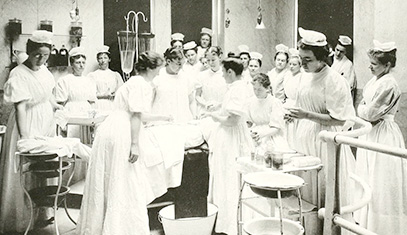
In Pursuit of a Grand Cause
Exceptional Students & Faculty of Northwestern University Woman's Medical School
A brief history celebrating the 150th anniversary of the founding of the Northwestern University Woman's Medical School.
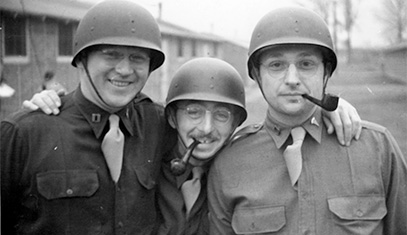
Operation Saving Lives
Northwestern as the 12th General Hospital of World War II
Northwestern physicians partnered to form the 12th General Hospital Unit, treating nearly 30,000 patients during World War II.